The Pie in the Palm: A Kitchen Prepares for Bury's Big Switch-On
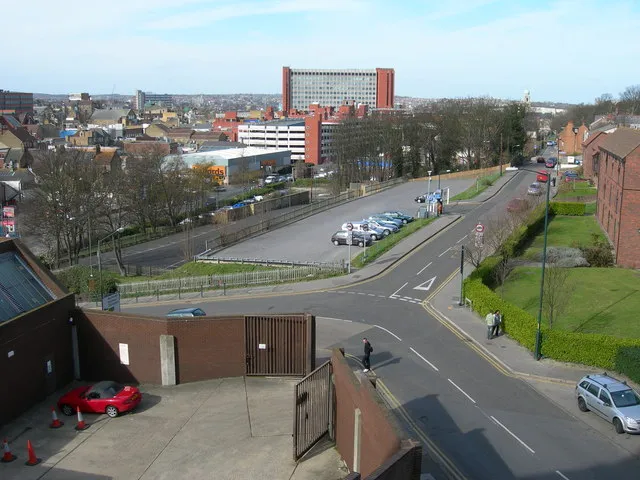
Photo: Danny Robinson, CC BY-SA 2.0, via Wikimedia Commons
The Christmas lights do not so much switch on in Bury as the town exhales and somebody finds the switch. By the time the countdown starts, the pavements around the Market and down towards The Rock are standing room only: buggies angled like small barricades, children on shoulders, grandparents in good coats, everyone pretending they are not cold. Inside The Bay Tree, the job is not to compete with the spectacle. It is to feed the people who have come out for it.
That changes the menu. Not in a grand, festive-sounding way, but in a practical one. A restaurant that normally asks you to sit down and take your time has to become a place where somebody can eat standing up, in a coat, with one hand, while the other hand is holding a paper cup of something hot or a very small person who has just spotted a light-up reindeer.
The menu starts with a forecast of elbows
Long before the first bulb flickers, the kitchen is thinking about elbows. How much room does a person need between the door and the counter? Can a tray pass through a crowd without asking everyone to shuffle? Is there a clear run for a pushchair, or will somebody have to reverse into a stranger's soup?
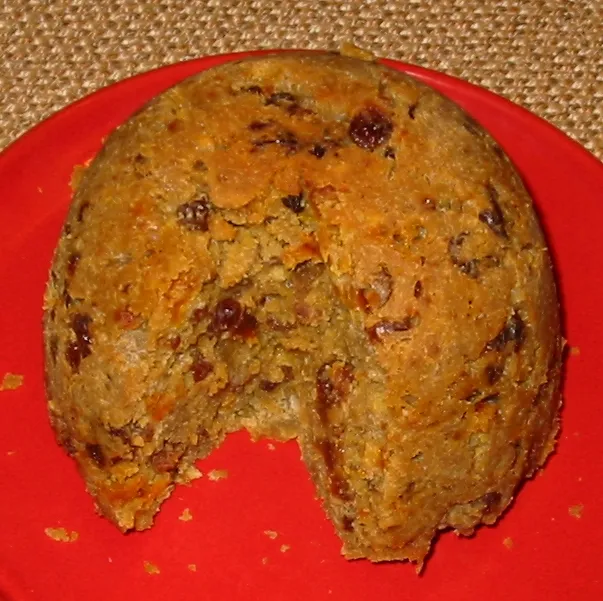
The dishes follow from those questions. On switch-on night, the best sellers are rarely the ones that look most impressive on a plate. They are the ones that survive a queue. A short rib and bay leaf pie, baked in a shallow tray and cut into squares, works because it can be wrapped in a napkin and eaten without a knife. A cup of celeriac and hazelnut soup works because it can be handed over the counter and carried through a crowd without a bowl and spoon. A warm treacle tart slice works because children will actually eat it while walking.
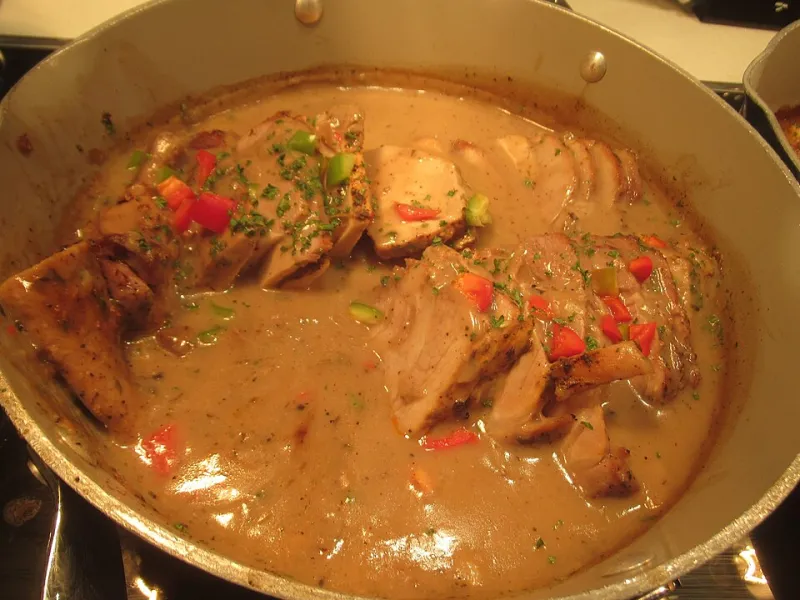
We braise early. The short rib goes on before the lunch service, with onions cooked down until they are sweet and serious, and a good glug of something dark. The soup is blended and kept hot, not boiling. Pies are assembled in the afternoon and chilled so they can go into the oven in batches rather than all at once. Nobody wants a tray of pastries coming out at the exact moment the crowd arrives at the door.
Why the door stays propped open
A propped door looks like a small thing. It is not. For a family with a pushchair, a heavy door is a hurdle. For somebody carrying a child, it is a negotiation. For a person on their own, wondering whether the place is too busy to bother with, an open door is an invitation that does not require a decision.
So the door stays open, even when it means the heat escapes and the first few tables get a draught. We put someone near it, not to act as a bouncer but to be useful: to hold a cup, to point out where the buggy can go, to tell people that yes, they can just come in for a hot drink and no, they do not need to book.
That is hospitality as logistics. A warm welcome is not only a smile. It is a clear route through the room, a stack of napkins within reach, a bin for empty cups that is not hidden behind a table. It is noticing that the queue is getting stuck near the till and moving the card machine down the counter. It is knowing that a child in a coat will need the toilet five minutes after the lights go on, and not making a drama of it.
The four o'clock braise and the half-past-six rush
The day has a rhythm. Coffee pot on early. Braise on by eight. Pastry by ten. Then the quiet bit, which is never quite quiet, before the town starts to fill up.
The first wave is usually early: people who want to eat before the crowds, or who have brought grandparents who prefer a chair. The second wave is the standing-up crowd, arriving with the cold on their cheeks and the countdown in their ears. The third wave is the aftermath, when the lights are on, the children are tired, and somebody remembers they have not eaten properly since lunchtime.
By half past six, the kitchen is no longer cooking for a dining room. It is cooking for a moving room. Trays go out. Cups are stacked. The pie tray is cut and re-cut. Somebody wipes the counter for the ninth time. The door keeps opening. The coffee keeps going. It is not glamorous, but it is the sort of evening a neighbourhood kitchen is for.
The best thing on the menu is the thing that leaves a hand free
On a night like this, the winner is not the most elaborate dish. It is the one that lets somebody keep holding their child's hand, or their partner's arm, or the lead of a dog who has been dragged along against their better judgment. If it can be eaten while looking at a light display, it passes. If it needs a lap, a knife and a clear two feet of personal space, it waits for another night.
That is why the pie in the palm beats the plated special. It is why soup goes into cups. It is why the mince pies are warm but not volcanic, and why the hot chocolate is made in a way that will not scald a seven-year-old. These are small decisions, but they are the menu.
After the lights
By nine, the town is thinning out. The last plate of something hot goes over the counter to somebody who has been standing in the cold longer than they meant to. The door comes off its prop. The chairs are put back. Somebody counts the cups and finds one under a table, which is normal.
Outside, Bury is still lit up. Inside, the kitchen is quiet again, and the staff eat standing up, which feels only fair. The switch-on is a spectacle for the town. For a restaurant, it is a test of whether the welcome still works when everyone is in a hurry, in a coat, and holding somebody else's hand. Most years, it does.