A Table Before the Tinsel: The Quiet Case for Christmas Eve Lunch
By 24 December, most of us have been thinking about Christmas dinner for weeks. We have ordered the bird, negotiated the sprouts, sharpened the knives and argued, gently, about stuffing. The main event has cast such a long shadow that the meal before it barely gets a look-in. Yet Christmas Eve lunch may be the most civilised table of the whole month. It is festive without being formal, generous without being gigantic, and close enough to the big day to feel like a treat without asking anyone to pace themselves.
The meal with no pressure
Christmas Day carries a script. There is a time to open presents, a time to start the vegetables, a time to sit down, a time to wonder whether the oven has room for one more tray. Even a happy Christmas dinner has a job to do. Christmas Eve lunch does not. It can be two people or ten. It can include the friend who is spending Christmas elsewhere, the colleague who finished early, the grandparent who prefers daylight to a late night, or the household that simply wants one proper meal before the chaos begins.
That lack of expectation is precisely what makes it work. Nobody is waiting for a turkey. Nobody is counting roast potatoes. The table can be relaxed, the menu can be shorter, and the conversation can wander without someone checking the clock. In a neighbourhood restaurant, that mood is easier to protect than it sounds. A warm room, a settled table and a kitchen that is not trying to rush you towards the door are worth more than any festive flourish.
Why midday on the 24th works
Timing is the quiet genius of Christmas Eve lunch. A midday start means daylight, which suits anyone who finds late nights in December more tiring than they used to. It leaves the evening free for carols, wrapping, a quiet pint, or absolutely nothing. It also separates the meal from the main event in a way that supper on the 24th cannot. An evening booking can tip into a second Christmas dinner by accident. Lunch keeps its own shape.
As 2026 draws to a close, there is also something practical about it. Shops close early, roads fill up, and the last-minute errands have a way of multiplying. A lunch that begins at 12.30 and ends when it ends gives the day a gentle spine. You have eaten properly, you have seen people you wanted to see, and you still have time to do whatever the evening asks of you. It is a meal with a horizon, which is a rare and underrated pleasure in December.
A menu that knows what day it is
The mistake would be to serve Christmas dinner a day early. A good Christmas Eve menu should feel adjacent to Christmas, not identical to it. It should lean on the best of late-December produce without pretending that 25 December has arrived already. In Bury, that means a market basket rather than a shopping list: black pudding, Lancashire cheese, winter roots, cabbage, apples, chestnuts, smoked fish and good bread.
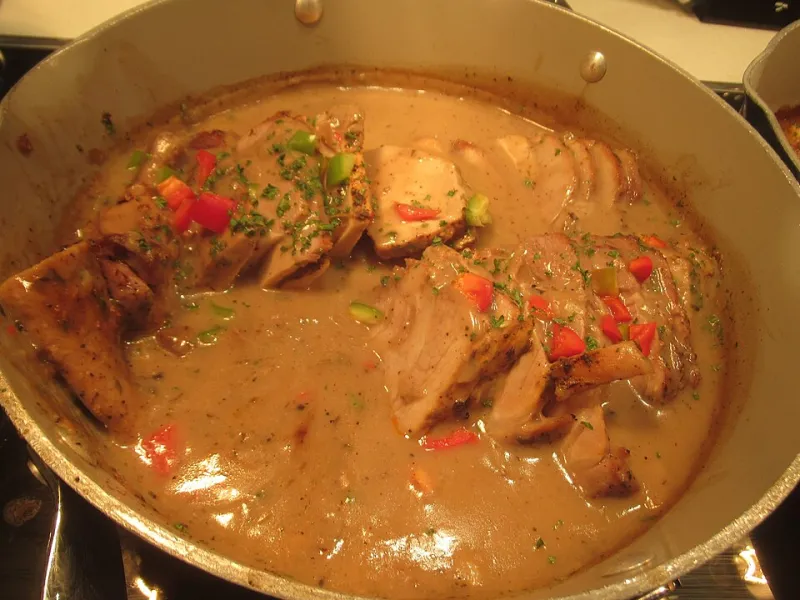
At The Bay Tree, that could mean black pudding with apple and a little mustard; a smoked haddock rarebit with sharp pickles; a squash and Lancashire cheese tart with bay and sage; braised beef with horseradish mash; a chestnut and mushroom pie for the table; or parkin with poached pear and a spoon of cream. None of it is a rehearsal for the big day. All of it feels like December. The point is not to crowd the plate with tinsel. The point is to cook with warmth, season and a sense of place, so the meal feels like a proper pause rather than a prelude.
Hospitality, not performance
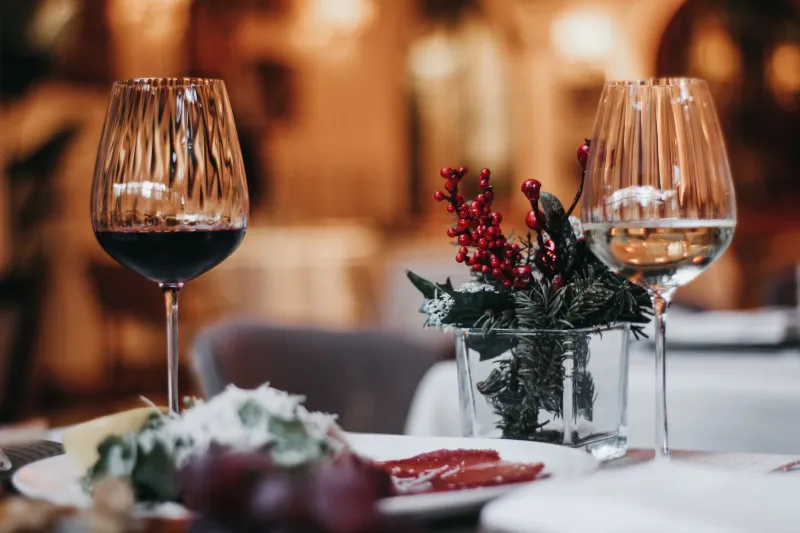
A neighbourhood restaurant has one advantage over a grand festive menu: it can behave like a neighbourhood restaurant. That means a welcome that is not scripted, a table that is not rushed, and a kitchen that understands some lunches need two hours and some need ninety minutes. It means water without asking, bread worth eating, and a glass of something crisp or soft for those who want it. It means the room can be warm without being loud.
The best Christmas Eve lunch is not the fanciest. It is the one where nobody has to perform. The friend who is not looking forward to the 25th can say so. The host who is cooking tomorrow can admit they are already thinking about the oven. The person who has travelled can put their bag down and stop moving. That is what hospitality is for: making a day feel easier, not more impressive.
How to make it happen
Book directly with the restaurant if you can, and ask for a lunchtime table rather than assuming the evening is the only option. Say if you need step-free access, a high chair, a quieter corner or a little more time between courses. If you are cooking on Christmas Day, two courses are often plenty; a starter and a main, or a main and a pudding, will still feel like an occasion. If you are working on the 24th, tell the restaurant your window and let them help you keep it.
The other thing worth doing is treating the booking as a tradition rather than a one-off. Traditions usually arrive by accident, but they stick when they are easy to repeat. The same table, the same week, the same people, the same feeling of having done something lovely before the big day takes over. It asks little and gives a lot.
The tradition that sticks
Christmas Eve lunch will never have the theatre of Christmas Day, and that is exactly why it deserves a place. It is the calm before the carrots. It is a table before the tinsel. It is a chance to gather without the pressure of the main event, to eat well in daylight, and to remember that December can be generous without being exhausting.
If you have never booked it, try it this year. If you have booked it before, you already know. The best table of the month may not be the one with the crackers and the countdown. It may be the one at midday on the 24th, when the room is warm, the menu knows what day it is, and nobody is in a hurry to be anywhere else.