Damp Coats, Full Bags: A Chef's Late-Autumn Route Through Bury Market
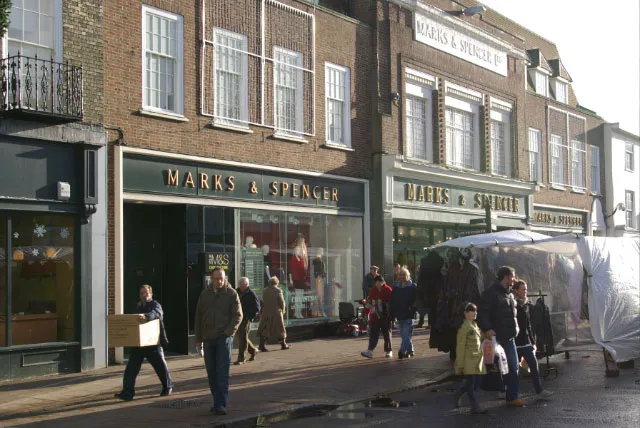
Photo: Stephen McKay, CC BY-SA 2.0, via Wikimedia Commons
There is a particular smell to Bury Market on a damp Tuesday in November. It is a mix of wet coats, hot pies, diesel from the stalls at the edge and the clean, cold scent of vegetables that have just come out of a crate. The floor is slick, the awnings are dripping, and the stallholders have time to talk. For a chef, that is close to perfect.
This is not a weekend browse. It is a working shop. I go with a list, a cool bag and enough cash for a few things I did not plan to buy. The list below is the one our kitchen is working from in late autumn and early winter, and the sort of produce that will keep appearing on The Bay Tree's seasonal menu as the weather turns.
Start with the meat and fish halls
In November, I am looking for cuts that can take a long cook. Beef shin, lamb shoulder, pork belly, chicken thighs with the bone in. I ask the butcher what has been cut that morning, where it is from, and what they would do with it. A good butcher will tell you if the shin is better braised or minced, and they will often trim it for you.
Black pudding is a Bury staple and a useful one. Ask for a thick slice rather than a thin one — it holds together better in the pan. I also pick up good sausages, smoked bacon and a piece of cheese from the cheese stall. If there is fish, I look for haddock, mussels or whatever is landed and looks bright-eyed. Ask when it came in. If the answer is vague, walk on.
Storage: keep meat in the coldest part of the fridge and use it within a day or two, or freeze it on the day you buy it. Fish is the same. Do not leave a cool bag in a warm car while you have a cup of tea.
Roots, brassicas and the honest winter vegetables
This is the heart of the shop. Potatoes, parsnips, celeriac, swede, carrots, leeks, sprouts, cabbages, kale. I look for firm roots with no soft spots, tight sprouts and leeks with clean white stems. Ask the stallholder what is best this week. They know. They will point you towards the parsnips that have had a frost or the cabbage that is sweeter than the one next to it.
At The Bay Tree, these vegetables go into soups, traybakes, gratins and braises. Celeriac gets roasted with bay and garlic. Leeks are sweated slowly in butter. Sprouts are shredded and fried with bacon. Red cabbage is braised with apple, vinegar and a little spice. None of it is complicated. It is just good produce, cooked with a bit of patience.
Storage: keep roots in a cool, dark place, unwashed, in a paper bag or a crate. Leeks and cabbages go in the fridge. Do not wash anything until you are ready to cook it.
Fruit, nuts and the sweet shelf
Late autumn is apple and pear season. I look for cooking apples — Bramleys if they have them — and firm pears that will poach well. Ask which apples are for eating and which are for cooking. The difference matters. I also pick up dried fruit, nuts and maybe a bag of chestnuts if they look plump and shiny.
These are the things that end up in puddings and chutneys. Poached pears with bay and lemon. Apple crumble with a little black pudding? No, that is a different article. Apple and pear compote with yogurt for breakfast. A jar of chutney to serve with cheese. The sweet shelf is where a winter menu gets its warmth.
Storage: apples and pears keep well in a cool, dark place, but check them every few days and remove any that are going soft. Nuts go in an airtight jar. Dried fruit is fine in the cupboard.
Cheese, bread and the bits that make a meal
I always stop at the cheese stall. A good mature cheddar, a soft cheese, maybe something blue. Ask what is local and what is drinking well right now — stallholders know their stock. Bread from a proper bakery stall is worth the extra stop. Butter, eggs, milk. These are the quiet essentials that turn a bag of vegetables into dinner.
Storage: cheese wants to breathe. Keep it wrapped in paper in the fridge, not tight plastic. Bread is best eaten the day you buy it, or sliced and frozen.
The questions worth asking
A market is not a supermarket. You are allowed to talk. Ask: What is best this week? Where is this grown or reared? How long will it keep? What are you cooking with it? Can you do me a bigger bag? These questions do two things. They get you better produce, and they build a relationship. By the third visit, the stallholder will remember what you like.
Getting it home and keeping it good
Take a cool bag and a couple of strong bags. Put the meat and fish at the bottom, then the vegetables, then the bread and eggs on top. Do not overfill the bag — you want the cold air to move around. When you get home, unpack properly. Wash the veg, dry it well and store it in the right place. Freeze what you will not use. A damp Tuesday shop can set you up for a week if you treat it properly.
What might appear on the menu
Our seasonal menu changes with what is good, not with a calendar on the wall. But if you come into The Bay Tree in the next few weeks, you are likely to see beef shin braised with bay and root vegetables, black pudding with apple, celeriac soup with toasted hazelnuts, and a pear pudding with a bay-infused custard. The market decides the details. The kitchen just listens.
A damp Tuesday is not a chore. It is the best day to shop. Fewer people, more time at the stall, and a warm welcome at the end of it. That is the sort of errand worth putting your coat on for.