The Pudding Has Witnesses: A Public Stir-Up Sunday at The Bay Tree
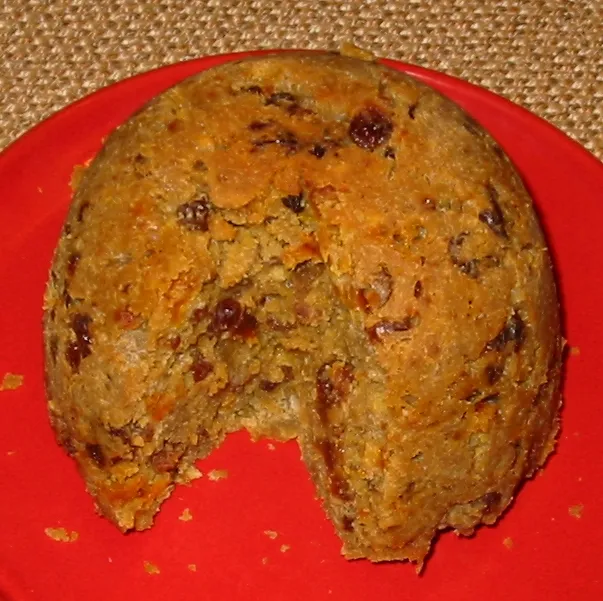
Photo: Man vyi, Public domain, via Wikimedia Commons
Stir-Up Sunday is one of those traditions that sounds made for a restaurant, until you remember it usually happens in a kitchen with the radio on and nobody watching. On 22 November 2026, The Bay Tree is moving it into the dining room. The Christmas puddings will be mixed, stirred and steamed where people can see them — not as a stunt, but because a neighbourhood restaurant ought to share the rituals it normally keeps behind the pass.
Why 22 November Matters
Stir-Up Sunday falls on the last Sunday before Advent. In 2026, that is 22 November. The name comes from the collect for the day in the Book of Common Prayer, which begins with the words Stir up, we beseech thee, O Lord. Generations of households took the hint literally. They mixed their Christmas puddings that weekend, gave everyone in the family a turn with the spoon, and encouraged a wish with each stir.
The tradition is old, but it is not fragile. It has survived changing tastes, smaller kitchens and the general belief that Christmas starts too early. What it needs is not reverence so much as a reason to gather. A Sunday in late November, cold enough for steam and early enough for anticipation, is a very good reason.
What a Public Stir-Up Actually Looks Like
The Bay Tree will set up a long table in the dining room, close enough to the kitchen that the warmth and the smell carry. There will be bowls of dried fruit, candied peel, breadcrumbs, suet, muscovado sugar and mixed spice. There will be pudding basins, greaseproof paper and string. There will also be a demonstration bowl for stirring, a tasting plate from a pudding steamed earlier, and a jug of bay custard to serve alongside it.
This is not a free-for-all. Public stirring will be supervised, small-scale and sensible. The mixture people stir will be a separate batch, and no charms will be hidden in public portions. The point is not to turn lunch into a hygiene lecture. The point is to let people see the work, take a turn, and understand why the pudding tastes the way it does.
The kitchen will steam the puddings for hours. That is the part most people never see. A Christmas pudding is not baked into being; it is coaxed along with slow heat and patience. By the time it reaches the table on Christmas Day, it has already had a long life in the kitchen. Stir-Up Sunday is the moment that life begins.
The Ingredients Are Local, the Ritual Is Older
The shopping list for a Christmas pudding is a small history of the British pantry: vine fruits, citrus peel, suet, ale, stout, treacle, spice and breadcrumbs. The Bay Tree's version leans on ingredients that can be found close to Bury. Currants, sultanas and candied peel come from Bury Market. The ale is Lancashire. The oranges are ordinary and excellent. The bay leaves for the custard come from the tree by the door — a small nod to the name on the sign, and a useful reminder that a restaurant's identity can be literal without being gimmicky.
None of this makes the pudding a museum piece. It just makes it ours. A Christmas pudding is a shopping list with a history, and the history is better when the shopping is local. The fruit will soak overnight. The mixture will sit. The puddings will steam. By the time they are wrapped and stored, they will already taste of the room they were made in.
The Argument for Doing It in the Open
Restaurants usually hide their rituals. Stocks are made before service. Bread is proved behind the pass. Puddings are steamed in a back kitchen while customers eat something else. There is nothing wrong with that. A working kitchen is not a theatre, and nobody needs to watch every chopped onion.
But some rituals are worth sharing. Stir-Up Sunday is one of them. It is about anticipation rather than perfection. It gives people a reason to come in on a cold Sunday before the Christmas rush, and it gives the kitchen a chance to show that the food it serves is made by people, in a place, with ingredients that have a source. If a pudding can be made in public, it says something about the kitchen: nothing to hide, no shortcuts, no mysterious white powder doing the work of time.
There is also a simpler argument. Neighbourhood restaurants survive on repeat visits, and repeat visits are built on familiarity. A customer who has stirred the pudding is not just a customer anymore. They have a small stake in the Christmas menu. That is not a marketing trick. It is what hospitality looks like when it is allowed to be a two-way street.
Come for the Steam, Stay for the Spoon
You do not need to book to watch. You do need to book if you want a table for lunch, because Sunday is Sunday and the dining room is not enormous. The stirring will happen from mid-morning, and the puddings will steam through the afternoon. If you take a turn with the spoon, the house rule is that you make a wish. Nobody will ask what it is.
The Bay Tree is not trying to replace anyone's family tradition. It is trying to make room for it. Bring your mother, bring your neighbour, bring a child who has never seen a pudding basin. Watch the fruit go in, smell the spice, taste a warm spoonful with bay custard, and let Christmas start quietly. A pudding with witnesses is still a pudding. It is just a little more generous.