The Hour Nobody Books: In Defence of the Three O'Clock Pot
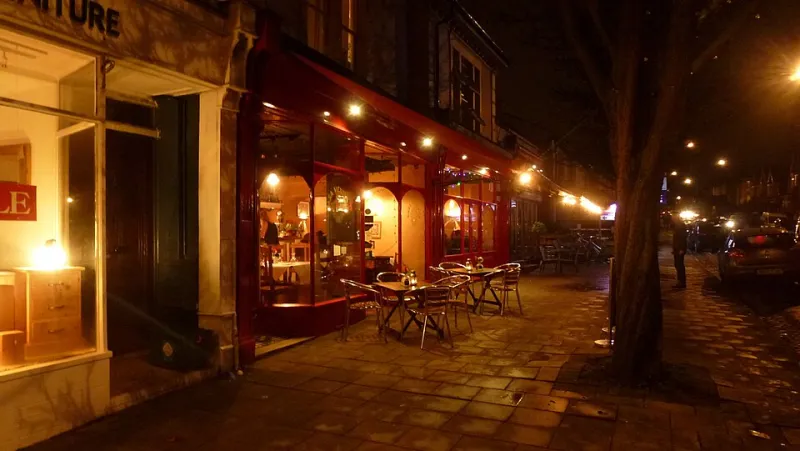
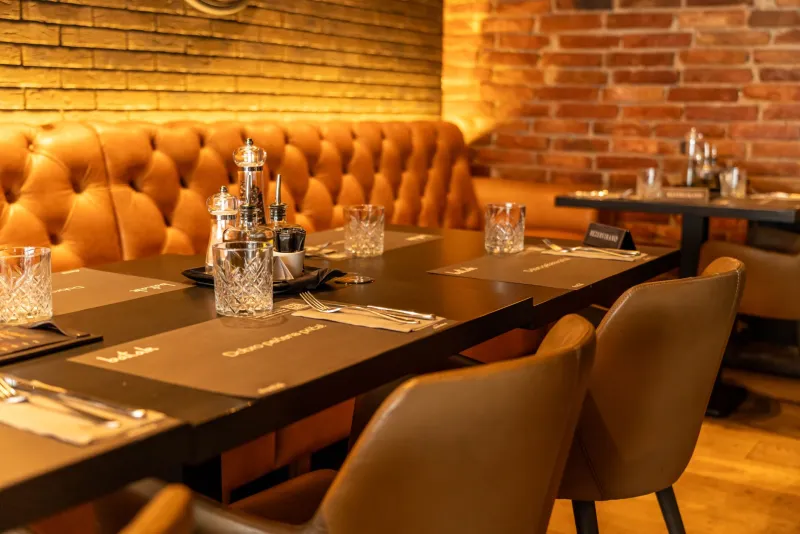
There is a particular sound a restaurant makes at three in the afternoon. Chairs going up on tables. A radio someone has forgotten to turn down. The long squeak of a cloth across a surface that has already been wiped twice. If you've ever walked past a full dining room at one o'clock and then the same window at three, you'll know the feeling: the lights are on, the welcome isn't.
And yet the town is not asleep. Somebody has just finished a slow circuit of Bury Market with a bag of onions and a punishing shoulder. Somebody has come off the tram from Manchester an hour earlier than planned. Somebody is a carer with a forty-minute gap in the day and nowhere to put it. Somebody has had a morning at the hospital and doesn't want to go home to an empty kitchen just yet.
All of them would happily sit down. Almost none of them would call it a meal.
The gap isn't empty, it's just unserved
The received wisdom is that the afternoon is dead. Service finished at two, prep starts at four, and anything in between is staff time you can't bill for. Fair enough — nobody's pretending a kitchen runs on goodwill alone.
But dead is the wrong word. Quiet is the word. And quiet is a different commercial problem to solved than empty. An empty room is a verdict. A quiet one is simply waiting for the right invitation.
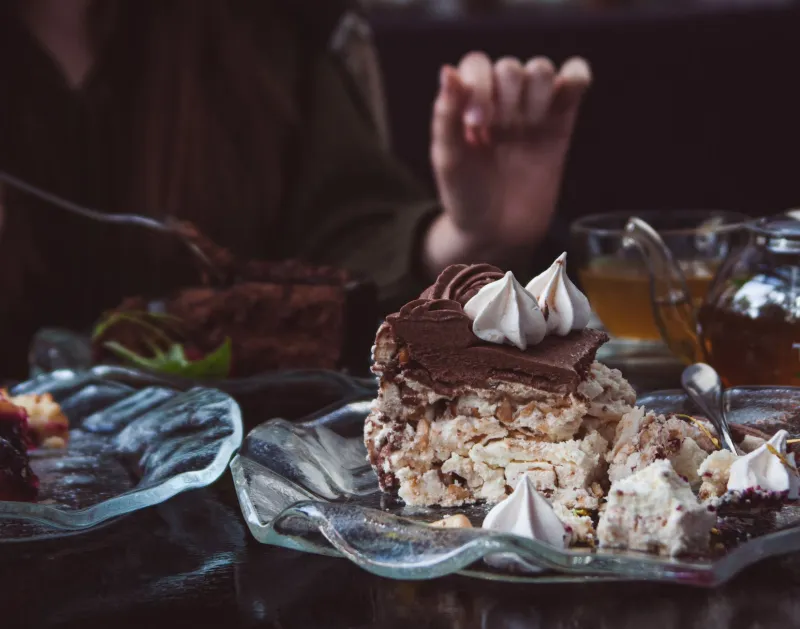
We think the invitation is a pot of tea and a slice of something made that morning, offered without ceremony and without a minimum spend. Not 'afternoon tea' in the hotel sense — no three-tiered apparatus, no crustless sandwiches arranged like a regatta. Just the thing the words have always meant round here: tea, cake, a seat, an hour.
What a proper pot actually means
If you're going to do this, do it properly, because the shortcuts are obvious and people can taste them.
Leaf tea, not a bag slumped in a cup. A pot that holds enough for two cups and a top-up. Hot water offered without being asked for. Milk in a jug, because a jug says we thought about you before you arrived. And a strainer, even if half the room doesn't use it.
The point isn't fussiness. The point is that a cup of tea is the cheapest possible way for a hospitality business to say stay a while. A builder's mug thrust across a counter says something different, and there's a time and a place for that too — but three o'clock is not it.
The cake slate should change, and it should run out
Here is the test of any afternoon offering: does it look like the kitchen's idea or the accounts' idea?
A laminated card with a photograph of a muffin is the accounts' idea. A slate with four things chalked on it, one of them already crossed out because it went at half two, is the kitchen's.
We like a slate that follows the market rather than a wholesaler's catalogue. Parkin in November, sticky and dark with black treacle, because it's the right month for it and it keeps beautifully. A plain lemon loaf in the summer, when nobody wants to be lectured. Rhubarb from a grower out Ramsbottom way in the spring, sharp enough to make you sit up. Damson or apple in the autumn — there are more gardens round here with a fruit tree in them than people realise, and more than one neighbour who'd rather you took a bag off their hands than watch it rot on the lawn.
And it should run out. A cake slate that's always full at five o'clock is a cake slate cooked from frozen at nine in the morning. Scarcity is honest. It also gives people a reason to come at three rather than half four.
Three o'clock is a low-stakes invitation
What we like about this hour is that nobody arrives with an occasion attached.
No birthday. No anniversary. No client to impress. Nobody's going to ask for the wine list or check whether the sourdough is made in house. They've come in from the drizzle with wet shoes and they want a cup of tea and twelve minutes of not being needed by anybody.
That's a lower bar than lunch, and a warmer one. It's also, quietly, how a restaurant stops being a place you visit and starts being a place you use. The people who come in for a pot on a wet Tuesday in November are the same people who book a table for their mother's seventieth in March. The relationship is built in the quiet hour, not the loud one.
The economics of an hour that doesn't shout
We're not going to pretend a pot of tea and a slice is going to carry a restaurant. It won't. What it does is something less flashy and more useful.
It uses a kitchen that's already lit and already staffed for prep. It sells the last of a bake rather than binning it. It brings in a different crowd — the retired, the self-employed, the parents with a pram and a need to sit down, the people who find a busy Saturday night service genuinely daunting. And it builds a habit, which is worth more than a single good week.
The costs are modest and the discipline required is real: you have to bake for it, staff for it, and resist the urge to close the doors because the room looks quiet at three. But the biggest cost of all is treating that hour as an inconvenience, because then everyone can feel it — the staff first, then the customers.
Come in with wet shoes
So this is our argument, and it's a selfish one. We'd like the three o'clock hour to become a fixture of this town rather than a thing you can only get in a garden centre with a carvery attached.
If you're passing and it's raining, come in. If you've been to the market and your arms are killing you, come in. If you've got forty minutes before a bus, come in. If you've had a day and you don't want to talk, come in and we'll leave you be — there's a table by the window that's good for that.
The pot will be hot, the cake will be whatever the market gave us this week, and nobody will ask you to make a meal of it.
That's the whole offer, really. An hour off your feet, in a warm room, on a street you know. It's not a revolution. But it might be the most useful thing a neighbourhood restaurant does all day.