Ask About the Pot: What a Daily Soup Says About a Neighbourhood Kitchen
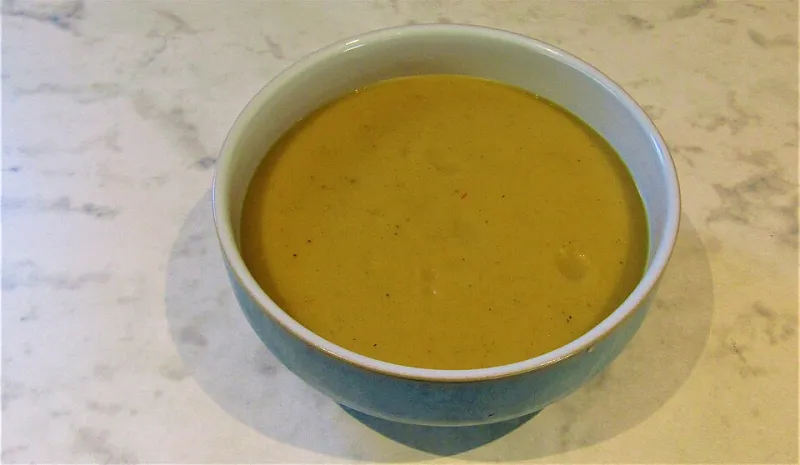
Photo: Kolforn (Kolforn) I'd appreciate if you could mail me ([email protected]) if you want to use this picture out of the Wikimedia project scope. This file is licensed under the Creative Commons Attribution-Share Alike 4.0 International license. Yo
There is a small ritual at The Bay Tree that tells you more about the place than any menu ever could. Before a regular has unbuttoned a coat or decided where to sit, they lean towards the pass and ask the same question: 'What's in the pot today?'
It is not a challenge. It is a greeting. And the answer changes with the weather, the market and whatever the kitchen has been sensible enough not to throw away. On a wet Monday in November it might be parsnip, leek and barley. By Friday, with the wind coming off the market stalls, it could be cauliflower and Lancashire cheese, or a broth built on the last of the week's roast chicken. The soup is never a fixture. It is a diary entry.
That is the quiet argument for the daily pot over the specials board. A specials board is a performance. It is written to sound good, priced to look reasonable and often designed to shift whatever the kitchen bought too much of. The soup is more honest. It has to be. You cannot print a soup a week in advance and pretend it is spontaneous. You cannot dress up a bowl of vegetables as a brand. You can only make it, taste it and serve it while it is still telling the truth.
Monday: the pot reads the weather
Monday at The Bay Tree starts with a look out of the window. If the rain is coming sideways off the square, the pot goes rooty: parsnip, carrot, a little swede, pearl barley and a stock that has had time to sit. If the morning is bright and cold, the kitchen might go lighter: leek and potato, maybe a handful of herbs, something that feels like a clean shirt rather than a heavy coat.
This is not whimsy. It is the whole point. A seasonal menu is written weeks ahead; a daily soup is written by the day itself. The vegetables that arrive from a grower over towards Ramsbottom or from a stall on Bury Market dictate the first draft. The weather edits it. By eleven o'clock, the pot is the most up-to-date thing in the building.
Tuesday: leftovers are not a dirty word
The best soups at The Bay Tree are not made from a shopping list. They are made from what is already there. Sunday's roast carrots, a few tired leeks, the end of a cauliflower, the carcass that still has a bit of goodness in it. In a domestic kitchen this is called using things up. In a restaurant kitchen it is called a stock pot, and it is the difference between a menu that respects ingredients and one that merely decorates them.
There is nothing mean about this. A soup made from leftovers is not a lesser dish; it is a more intelligent one. It asks the kitchen to pay attention. It asks the diner to trust that the bowl in front of them was made because those ingredients were ready, not because a supplier had a deal on. And it tastes better for it. A cauliflower and Lancashire cheese soup, finished with a little mustard and cracked pepper, can hold its own against anything on the specials board. It just will not shout about it.
Wednesday: the market decides
Wednesday is market day in Bury, and the pot often follows the bags back into the kitchen. A bunch of thyme, a punnet of mushrooms, a cabbage that looked too good to leave behind. The soup changes accordingly. Maybe it is mushroom and barley, dark and woody and exactly right for a grey afternoon. Maybe it is a green vegetable broth with a swirl of something creamy, bright enough to remind you that autumn is not just brown.
The regulars notice. They do not need a printed description. They ask the question. 'What's in it today?' is not small talk; it is a way of reading the kitchen's mood. If the answer is 'spiced parsnip with a bit of honey', you know someone has been thinking about the cold. If it is 'vegetable and pearl barley, using up the last of the greens', you know the kitchen is being sensible. Either way, you know more about the place than a laminated specials board would ever tell you.
Thursday: the regular who orders before sitting
There is a regular at The Bay Tree who has asked about the soup before taking off her coat every Thursday since the spring. She does not always order it. Sometimes she wants the pie, or the fish, or whatever is on the board. But she wants to know what the pot is doing. It is part of the visit.
That is the difference between a specials board and a daily soup. The board is there to sell you something. The pot is there to tell you something. It says: this is what the week has given us; this is what the weather is doing; this is what we have made from it. It is a conversation starter, and in a neighbourhood restaurant, conversation is not a side dish.
Friday: a bowl, not a brand
By Friday, the pot has usually been through three or four versions of itself. It has been thick and rooty, light and green, maybe a little spicy, maybe plain and comforting. It has been whatever the week required. And that is why it beats the specials board. The board can be impressive. The soup is reliable. The board can be clever. The soup is honest.
None of this means the specials board is the enemy. At The Bay Tree, it still has its place: the pie, the fish, the pudding, the things that make a lunch feel like a proper occasion. But the pot is the thing that knows your name. Not literally, of course. It knows the name of the street, the season, the sort of day you have had. It knows that on a wet Tuesday in Bury, a bowl of something warm and changing is a better welcome than a paragraph of marketing.
So next time you come in, ask before you sit down. 'What's in the pot today?' It is the most useful question on the menu, and the answer is different every day.