Early Doors, Full Plates: The Quiet Luxury of the 4.30 Table
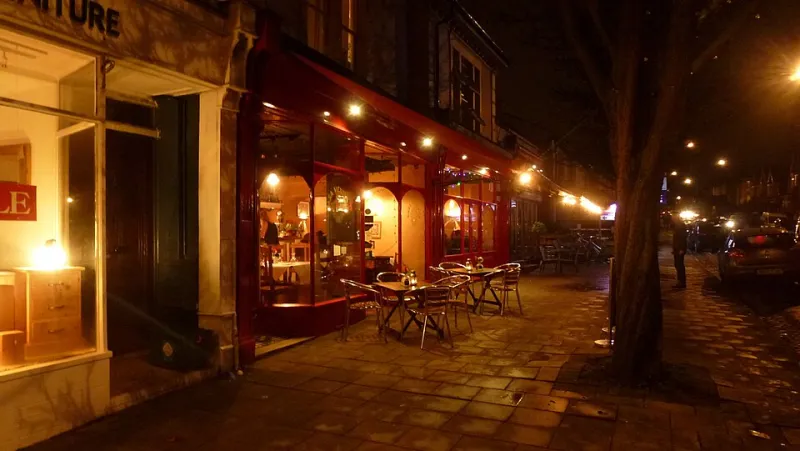
Photo: Jonathan Billinger , CC BY-SA 2.0, via Wikimedia Commons
At 4.30 on a November afternoon in Bury, the sky has already given up. The market stalls are packing away, the pavements are starting to shine with damp, and the first buses are filling up with people who have done a full day and want their tea. It is not the hour we are told to associate with a proper dinner. It is the hour we are told to associate with a rushed slice of toast before something better later. That is a mistake.
The early table has a reputation problem. It is seen as the sitting you take because you have children, or because you are old, or because you have somewhere else to be. All of those things can be true, and none of them are insults. But the 4.30 dinner is not an apology. It is a quiet luxury, and as winter draws in, it is one of the most sensible pleasures a town like ours can offer.
The tyranny of the late table
We have been trained to think dinner starts at eight. Anything earlier is a pre-theatre special, a pensioner's deal, a nursery tea. The late table is supposed to be the grown-up one: the one with the buzz, the second bottle, the taxi home. But for plenty of people, 8pm is not luxurious. It is a logistical nightmare. Babysitters cost more than the meal. The last bus leaves before the pudding. The medication has to be taken with food at a sensible hour. The early shift starts at six the next morning. By nine, you are not savouring anything; you are wondering why you are still in a chair.
The late table asks you to spend your whole evening waiting for dinner. The early table gives the evening back. That is not a small thing in a northern winter, when the daylight is thin and the nights are long. To eat well at half past four is to reclaim the hours that would otherwise be spent getting hungry, getting ready, getting there, and getting home again. You leave at six, and the night is still yours.
Who the half-past-four table is for
It is for families with small children who want a proper meal rather than a negotiation over chips. It is for shift workers coming off a day that started before dawn. It is for older diners who would rather not drive home in the dark, or who simply like to eat when they are hungry. It is for the couple who want a slow hour together before the rest of the evening closes in. It is for anyone who has realised that the clock is not a test of stamina.
That is the point. The early sitting is not one demographic. It is a mood, a practical choice, a small act of self-preservation. And in a neighbourhood restaurant, it should feel as welcome as any other table in the room.
What an early service asks of a kitchen
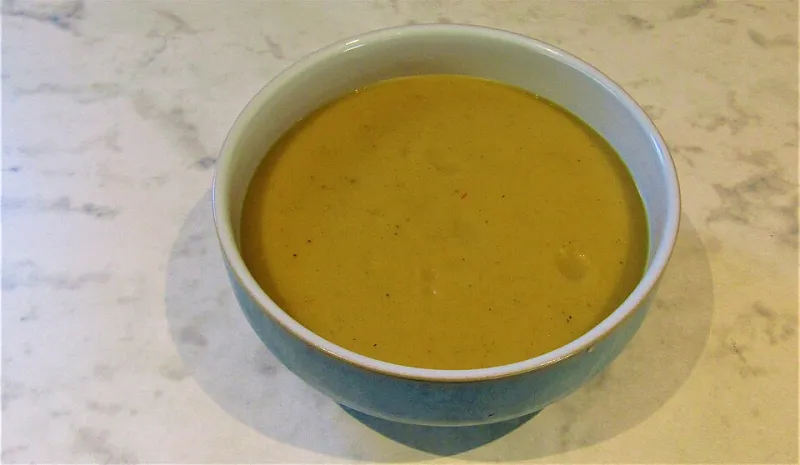
This is where a restaurant earns its reputation. An early sitting cannot be a warm-up act. It cannot be the hour when the kitchen is still finding its feet, when the specials are not on, when the staff are eating their own lunch in the corner. At The Bay Tree, an early service means the prep has been done before the doors open: the soup is hot, the braises have had their time, the bread is ready, the vegetables are trimmed, the sauces are where they should be. It means the first table gets the same attention as the last.
A seasonal kitchen is well suited to this. In November, the menu is full of things that are happy to be ready early: roots, greens, slow-cooked cuts, puddings that have been sitting happily in a tray. The early darkness is a cue for richness, not a reason to cut corners. The kitchen has to be ready at 4.30, not pretending to be. That is a discipline, and it is one that separates a proper neighbourhood restaurant from a place that is only really awake at eight.
The generosity test
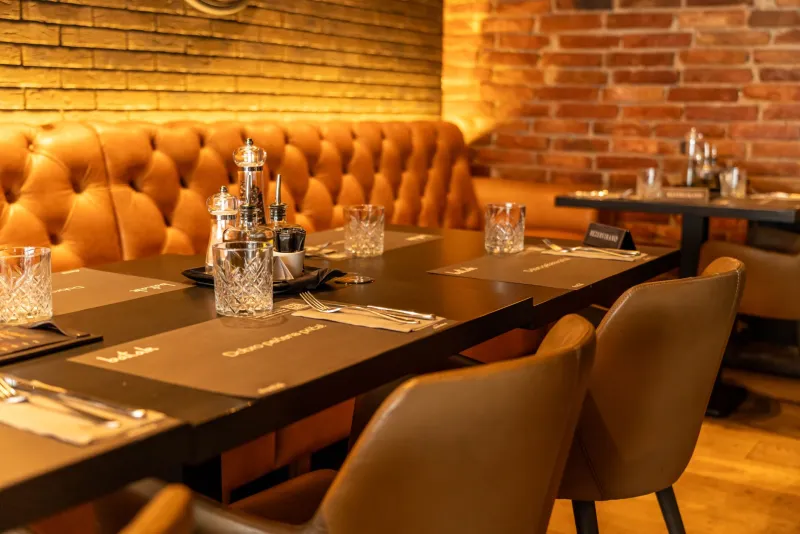
A good early sitting is generous. Proper bread, no rush, the same menu, the same welcome. Children are not a nuisance to be seated by the door. Older diners are not hurried through their pudding. The shift worker in a work coat is not made to feel odd. The room at 4.30 has a different rhythm from the 8pm service—calmer, more spacious, easier to hear each other—and that is not a lesser rhythm. It is simply another one.
The 8pm table has its own buzz, and long may it. But the early table has something the late one often cannot offer: room to breathe. A restaurant that understands this will make the early sitting feel like a pleasure rather than a favour. It will not treat 4.30 as the table before the real evening begins. It will treat it as the real evening.
The evening you get back
Leave at six, home by half past, and the night is still yours. In Bury, in winter, that is not small. It is a walk back through the town before the pubs get loud, a pot of tea, a film, a proper conversation, an early night. The 4.30 table does not cut the evening short. It gives you more of it.
So no, the early dinner is not a compromise. It is a choice, and a rather good one. As the afternoons close in, the best neighbourhood restaurants should make the half-past-four table feel as generous and unhurried as the eight o'clock one. In Bury, we could do with more of that.