The Warm Welcome Is Not a Bonus—It's the Business Model
Photo: Ken Lund from Reno, Nevada, USA, CC BY-SA 2.0, via Wikimedia Commons
There is a familiar line about neighbourhood restaurants. It goes something like this: they are lovely, they are quaint, they are part of the fabric of a place, but they are not really the future. The future is apps, automation, delivery-only kitchens, whatever is coming next. I think that gets it wrong. In Bury, and in towns like it, the local restaurant is not a museum piece. It is one of the few parts of the high street that still does something the internet cannot: it gives you a room, a plate and a reason to stay.
The high street is not a museum
Talk about high streets often turns into nostalgia. Empty units, old names, remember when. But a high street is not a heritage exhibit. It is a working ecosystem. Restaurants bring footfall at the times other shops need it. They give people a reason to come into town after five o'clock. They train staff, buy from local suppliers, sponsor the under-nines football team and give a town somewhere to mark birthdays, anniversaries and ordinary Tuesdays. That is not nostalgia. That is infrastructure.
Warmth is an operating principle
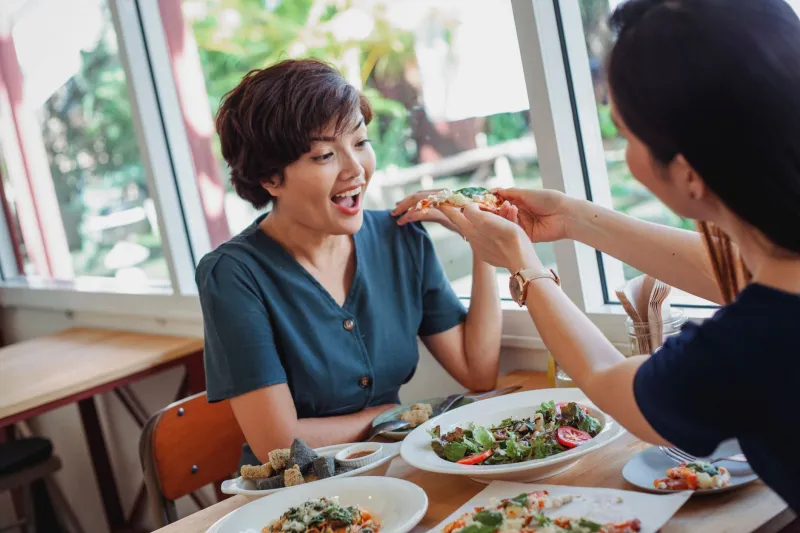
A warm welcome is not a smiley add-on. It is how you manage a room, remember a regular's order, handle a complaint, make a solo diner comfortable and make a family with a pushchair feel welcome. In 2026, when so much of life is self-checkout and automated queues, that kind of human attention is a competitive advantage. It is also hard to fake. You cannot A/B test a genuine welcome. You have to mean it, and you have to staff for it.
Seasonal sourcing is supply-chain common sense
Seasonal menus get written up as a chef's hobby. But cooking with what is good now is also practical. It keeps costs in check, builds relationships with growers, and gives the kitchen flexibility when a delivery does not turn up. In Bury, that might mean roots and brassicas in November, rhubarb in spring, berries in summer. It is not a gimmick. It is a resilient way to run a restaurant in a country where the weather and the supply chain both have opinions.
The reality of running a restaurant in Bury today
We do not need to romanticise it. Energy bills, staffing, food costs, rent, the weather, the school holidays, the match days, the nights when nobody books. Running an independent restaurant is a series of small decisions made under pressure. The places that last are not the ones with the biggest marketing budget. They are the ones that know what they are: a local restaurant with a clear point of view, a team that cares and a menu that changes with the seasons. That is not a nostalgia trip. It is a business model.
What diners can actually do
Support is not a vague feeling. It is a set of habits. Book directly when you can, because it saves the restaurant commission and gives them your details for the night. Go midweek. Tuesday is the new Saturday for a lot of places. Buy a gift voucher; it is cash flow with a delayed dinner attached. Tell them what worked, and tell them what did not, politely, while you are there. Share the places you love, because a recommendation from a neighbour is still the best marketing there is. And be patient. Good hospitality is not instant.
The future is local, and not in a twee way
The neighbourhood restaurant is not a throwback. It is a response to a world that is more convenient and less connected than ever. In 2026, the places that make a town feel like a town are the ones with a door you can open, a person who says hello and a plate that tastes like where you are. The Bay Tree is one of those places. We are not trying to turn back the clock. We are trying to run a good restaurant in Bury, with seasonal plates and a warm welcome, and to make the case that this is not a small thing. It is the whole thing.